
trustpilot Fantastic service
Great service with regard to both information…
logomysorgente

800978382

Aurora magazine

Discover the genetic causes of the nephrotic syndrome

Thanks to an international research that has also involved the Bambino Gesù Pediatric Hospital, the causes of the nephrotic syndrome are known. Kidney disease mainly affects children and is very debilitating. However, the discovery could facilitate the diagnosis and processing of new treatments.

The researchers analyzed the DNA of pediatric patients from two continents. They have thus identified some genetic anomalies that predispose to the so-called cortico-sensitive nephrotic syndrome of the child. The discovery is of great importance, since until now the causes of the disease were almost completely unknown. Also for this reason, the available treatments are not specific and have great side effects.

Leading the international team was Dr Pierre Ronco from the La Sorbonne University in Paris. Scientists collected samples taken from almost 400 French, Spanish and Italian children. To these were added 100 US samples.

Analysis of DNA samples revealed a number of variants located near the human leukocyte antigen (HLA). This is the system responsible for regulating the immune system. The anomalies placed here seem to predispose to the development of the disease. Depending on the type of anomaly, the form of pediatric nephrotic syndrome also changes.

The discovery will improve the diagnosis of different forms of the disease, helping to identify those with a better prognosis. He also reinforced an existing hypothesis, which wanted the cause of the disease linked to a poor regulation of the immune system.

Source: repubblica.it

Add a comment

A neonatal genetic test to avoid deafness from aminoglycosides

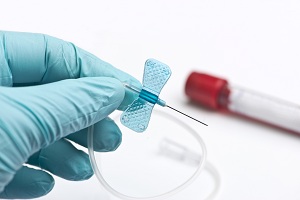
A genetic test could be sufficient to prevent deafness in infants treated with aminoglycosides. G.">The team of Dr. John McDermott has developed a test that identifies the genetic variant m.1555A> G. Children with this variant, in fact, are likely to become deaf because of special antibiotics against sepsis.

Every year in the United Kingdom there are 90,000 admissions in neonatal intensive care. Almost half of the small patients receive antibiotic therapy, largely a combination of beta-lactams and gentamicin. In some rare cases, however, the class of antibiotics aminoglycosides causes deafness in younger patients. The phenomenon could be linked to a particular genetic predisposition.

The study shows the importance of a neonatal genetic test, so as to avoid the side effects of antibiotic therapy. Identifying patients with the mutation within one hour would allow doctors to prescribe alternative drugs. In this way 180 cases of deafness could be avoided every year.

Unfortunately, the genetic tests used to date in British hospitals require 3 days to give the first results. The test developed by McDermott requires only 40 minutes instead. It is a non-invasive test that requires only a small sample of cells to analyze DNA. The goal is to introduce the test in neonatal wards by the end of 2018.

Source: medpagetoday.com

Add a comment

Genetic tests encourage people to live better

The secret to losing weight and quitting smoking could be written in our DNA. Or rather, in anomalies revealed by genetic tests. According to a Finnish study, discovering that you are genetically predisposed to a certain disease helps you live better. In fact, it pushes you to lose weight, exercise and take on a healthier lifestyle.

The Finnish study involved 7,328 people. The researchers compared their DNA with about 49,000 genetic markers associated with genetic diseases. In particular, they focused on cardiovascular diseases, in which lifestyle has a strong impact.

All colors that showed a genetic predisposition to certain diseases, were advised. The doctors gave them advice to follow to reduce the risk of stroke and heart attack.
40% of the study participants were smokers. Over the course of 18 months, almost half of them quit smoking. Furthermore, 13% of all participants lost weight and continued to lose it. All this thanks to having discovered a relatively lower risk factor than those already known.

Genetic predisposition does not mean necessarily having to get sick. It is a factor that contributes to the appearance of certain diseases, but which acts together with other elements that are easier to identify. And to be ignored. Smoking, moving around a little, eating badly, being overweight increases the risk of cardiovascular disease. Many of the participants were already aware of it, but they needed a further stimulus to change.

Source: independent.co.uk

Add a comment

Bipolar disorder: identified new genetic mutation

Researchers at the RIKEN Center for Brain Science have identified a new genetic mutation linked to bipolar disorder. The discovery will help develop more effective treatments and better understand the disease.

Previous research had identified two factors related to bipolar disorder: abnormalities in serotonin levels and mitochondrial dysfunction. Almost all those who suffer from the disease, in fact, also present mitochondrial damage and vice versa. However, the studies found no link between serotonin levels and mitochondrial dysfunction.

According to the Japanese study, mitochondrial dysfunction may alter the activity of serotonin-producing neurons. The cause lies in a mutation of the ANT1 gene, which causes a chronic calcium deficiency. Mice lacking the gene also showed a large number of mutations in serotonin levels.

In the guinea pigs examined, the non-functioning of the ANT1 gene caused a peak in serotonin levels. The increase in serotoninergic activity would have worsened mitochondrial dysfunction, giving rise to a vicious circle. Furthermore, the deterioration of the neurons producing serotonin would have been more pronounced in the dorsal area of ​​the brain. Such a situation has also been observed in Parkinson's patients.

Mutation is not a true cause of bipolar disorder, but acts concurrently with other factors. Where present along with other genetic mutations, the likelihood of the disease is increased. This means that a drug that affects mitochondrial dysfunction could reduce the incidence of the disease, even if it does not cure it in its entirety.

Source: eurekalert.org

Add a comment