trustpilot Fantastic service
Great service with regard to both information…
logomysorgente

800978382

Aurora magazine

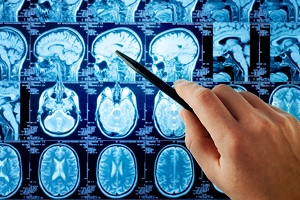
Researchers discover new genetic brain disorder

Scientists from the UK, the Netherlands and the United States have discovered a new genetic disease. The disease affects the brain and causes serious problems in development. The first to hypothesize its existence was Dr. Siddharth Banka, analyzing the cases of three children.

Dr. Banka's three patients showed too large or too small brains and developmental deficits. All three had mutations in the RAC1 gene, which had never been linked to any human disease. In addition, no previous study had ever linked anomalies to just one gene with such serious brain damage.
To test the theory, Professor Han Brunner and Dr. Margot Reijnders analyzed four more children. Even these patients had mutated versions of the gene and abnormally sized brains. Some of them also suffered from epilepsy and had heart problems.

Assessed the probable link between RAC1 and brain size, scientists went to testes on the guinea pigs. Dr. Tom Millard used brain cavity cells with a modified version of RAC1. He noticed that gene abnormalities also affected the size of cells. Similar effects were found on zebrafish.

The international team has discovered a new genetic disease, but not only. Research has revealed the importance of RAC1 in brain development by adding information to an obscure subject.

Source: medicalxpress.com

Add a comment


Stanford announces a new center for gene therapy

The Stanford University opens the Center for Definitive and Curative Medicine (CDCM), the new center for treating genetic diseases. The initiative seeks to use gene therapy and stem cells to combat today's incurable pathologies.

Center doctors will use the findings of Stanford Laboratories to develop readable therapies for clinical trials. Instead of relying on medicines generated by biotech companies, they will use those created by university labs.

Stem cells and gene therapy have proven effective against Type 1 diabetes, some metabolic syndromes, and neurodegenerative diseases. For the time being they can not cure the disease, but they can at least weaken their symptoms. With gene therapy, it is possible to correct the DNA of some stem cells and use them for treatment.

Inside the center, professionals from various sectors will work. Their common goal will be to find a cure for today's incurable genetic diseases. A goal in some cases is much more handy than you might think.

According to Professor Anthony Gold, the solution will take some stem cells from children with genetic diseases and correct the defective gene. Once done, the cells will be retrieved again to correct the problem. This will avoid the risk of rejection and the problems associated with immunosuppressive drugs.

Before the procedure is fully feasible, further studies will be required. The potential, however, is very high and could turn into many theories today only theoretical.

Source: stanforddaily.com

Add a comment

Two sisters aged 6 and 10 developed Niemann-Pick disease type C

Doctors discovered symptoms of senile dementia in two 6 and 10-year-old English girls. The first case occurred in 2000, but the parents only made it public recently.

Emily and Sarah Bushaway have developed Type C Niemann-Pick Disease. This is a rare genetic disease, often known as infantile Alzheimer's. Afflicts only 100 people around the world, is deadly and unmanaged. Those who suffer from it progressively lose muscle tone and develop lung diseases. It is also characterized by the gradual decline of intellectual functions, which results in dementia.

The first diagnosis was touched by Emily, who at the time was only six years old. The little girl had begun to repeat and was struggling to remember the names of the girlfriends. The doctors initially spoke of distraction of attention. After some time, the neurologists of the Great Ormond Street Hospital in London had given a much worse response.

After seven years, doctors diagnosed the same illness as Sarah's sister, 10 years old. Both girls lost motor, language and cognitive functions. Parents Mark and Lisa have devoted soul and body to their two daughters, promoting campaigns for research.

Emily died in 2016 at age 21 in a nursing home in Oxford after an error in intubation procedures. Sarah's sister is 19 years old and still a few years old.
Bushaway spouses are both carriers of the recessive gene of the disease. Promote initiatives to raise public awareness. Hope is that research will move forward both for prenatal diagnosis and for the treatment of this disease.

Source: independent.co.uk

Add a comment

What determines physical strength?

Cambridge University researchers have identified genes responsible for physical strength. The study analyzed the data of more than 140,000 British individuals, combined with those of 50,000 Dutch, Danish and Australians.

Dan Wright, the lead author of the study, studied the strength of the hold of nearly 200,000 individuals. The number of participants helped has understood the mechanisms behind a powerful handshake. He and his team have found 16 genetic variants commonly associated with muscle strength.

Scientists suspected that muscle strength was also the result of genes but lacked evidence. Now there are and many of the identified variants are placed in fundamental genes for muscle functions. Some of the genes in question determine the structure and behavior of muscle fibers. Others are essential for communication between the nervous system and muscle cells.

Discovery is also important for medical research. Some mutations are associated with severe monogenetic syndromes, caused by individual genetic abnormalities. This shows that variations in these genes can cause pathologies and affect the level of physical force. Discovery could therefore help study new treatments against excessive muscular weakness.

Beyond the muscular force, the strength of a handshake could also indicate the general state of health of the individual. It was thought to be associated with the risk of early mortality, cardiovascular disease, and fractures. Before the study, however, it was unclear how all these factors were bound together. Actually, according to Cambridge scholars, a force majeure lowers the risk of illness, but a smaller force does not raise it in any way.

Source: cam.ac.uk

Add a comment