trustpilot Fantastic service
Great service with regard to both information…
logomysorgente

800978382

Aurora magazine

Medical Marijuana: how it works

Not everyone knows there is an important difference between cannabis for recreational use and therapeutic cannabis. The two types are different not only for the purpose of recruitment, but especially for the contained chemical principles.

Cannabis is a herbaceous plant that can reach up to 5 meters in height, with a strong aroma. It has palm-shaped leaves with thin strips and with the characteristic margins of sawdust. Depending on the variety, however, the shape and number of foliar leaves varies considerably. The leaves of the most common varieties have between 5 and 13 segments, usually.

Marijuana has been recognized for decades. Intake stimulates appetite reduces nausea and controls anxiety. For this reason it is especially useful for patients who are undergoing chemotherapy. It is also helpful to relieve the symptoms of multiple sclerosis. The merit is of two substances present in the leaves, Thc and cannabidiol.

Over the years, several cannabidiol-based drugs have been developed, indicated for the treatment of anxiety, depression, and epilepsy. There were also born poor varieties of psychotropic principles for therapeutic use. However, some negative effects of the substance, especially for young people, are still unclear.

Intensive use of marijuana in adulthood does not seem to have any particular adverse effects. On the other hand, the consequences on young people are discussed. According to some studies, taking cannabis during adolescence would increase the risk of schizophrenia. It would also be linked to a decrease in the intellectual quotient in adulthood.

Add a comment

Liquid biopsies become a reality in cancer treatment

The first major test of the efficacy of liquid biopsy in the diagnosis of tumors arrives. A Hong Kong team has tested the new technology on head and neck tumors. In this way, researchers increased the rate of early diagnosis and survival.

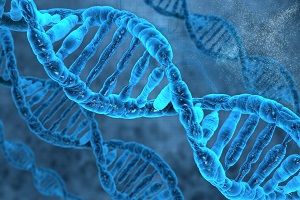
Liquid biopsy detects the DNA that the tumors release into the bloodstream and are mainly used to monitor the progress of the tumor. Researchers are developing versions to be used for early diagnosis of a wide range of tumors. According to a new study, Chinese scientists have discovered an effective approach to at least one type of cancer.

The study focused on nasopharyngeal cancer, which develops at the top of the throat and behind the nose. It is an aggressive tumor and early diagnosis may be crucial in many cases. Unfortunately, it is also very difficult to diagnose, so liquid biopsy could save a large number of lives.
In many cases, nasopharyngeal cancer is related to the Epstein-Barr virus. Scholars have thus developed a way to detect not only tumor but also viral DNA. Reasoning proved to be effective: over 20,000 men at risk tested, 1,112 (5.5%) reported traces of the virus. Of these, 309 also showed traces of tumor DNA and 34 had a tumor. Only one person developed the tumor despite the negative outcome of the test.

In 71% of cases, the diagnosed tumor was at the earliest stages and therefore easier to treat. Only 20% of the subjects in the control group received an early diagnosis. This has allowed to intervene earlier and with more effective methods, increasing the survival rate of patients. At 3 years of diagnosis, 97% of patients were alive, compared to 70% of the control group.

Source: cbsnews.com

Add a comment

Poverty and brain development

Columbia University's Dr. Kimberly Noble team studied the effects of poverty on immature brains. He has thus felt that growing in a poor environment can actually affect the way the brain develops. We talk of poverty in itself, not of nutrition, of the language used in the social context, of family stability. Pure and simple indigence.

In the early 2000s, Kimberly Noble and Martha Farah noted that poor children tend to have worst academic outcomes. They then started looking for the neurocognitive causes behind the phenomenon, in order to demonstrate a possible correlation between socioeconomic status and academic performance. It was the first time someone had the problem.

In 2005 Noble and Farah recruited 60 children from Philadelphia's public schools. They give them a series of cognitive tests, each connected to a specific brain circuit. The results of lower-grade children were worse than those of upper class children. Next magnetic resonances also revealed that certain areas of the brain were less developed.

In 2015, a new Noble study, conducted on 1,099 children and teens, confirmed what was discovered in 2005. The scientist is now organizing a new study, which will last for 5 years and will involve more than 1,000 poor families. Half of them will receive $ 4000 dollars a year, the other half will receive only $ 240. If the above findings were true, the study should record significant differences between the children in the first and second groups.
The discovery has very important political implications. If there was really a correlation between poverty and neurocognitive development, it would be even more important for politicians to ensure a minimum level of assistance for the indigent families. It should not only affect the dignity of the individual adult individual, but also the future of those who are still children.

Source: theguardian.com

Add a comment

Scientists edit human embryos for first time

Shoukhrat Mitalipov, of Oregon Health and Science University, modified a human embryo without errors. It is the first time that it happens and opens the door to the use of Crispr for the fight against genetic diseases. However, many are concerned about the risk of eugenic drift.

The Crispr gene-editing process makes changes to permanent and, above all, inheritable DNA. The Chinese scientists had carried out 3 experiments, but the embryonic cells had not made the changes homogeneously. There was therefore the risk of creating genetic transmissible anomalies in future generations.

The Kazakh scientist team used Crispr with the "germiline engineering" technique. In contrast to the Chinese, researchers inject Crispr at the same time as in vitro fertilization. In this way they have obtained dozens of embryos, which they have developed for a few days. They have not implanted anybody in the uterus, but the ethical problem is still present.

The United States National Academy of Sciences has stated that it supports the use of Crispr for medical purposes only. In February 2017 he therefore asked to regulate the use of the technique, so that it can only be used to deal with hereditary illnesses. For this reason, Congress has also banned embryos being modified.

Source: lastampa.it

Add a comment