
trustpilot Fantastic service
Great service with regard to both information…
logomysorgente

800978382

Aurora magazine

New treatment against alcaptonuria discovered

A team from the Universities of Liverpool and Cambridge has discovered an effective drug against alkaptonuria, a rare genetic disease. According to the researchers, a drug called nitisinone would stop the progress of the disease.

Alkaptonuria is a genetic disease that causes accumulations of homogentisic acid oxide, which cause damage to the joints and kidneys. If left untreated, it also causes osteoporosis, rupture of tendons and ligaments, cardiac damage to the aortic and mitral valves.

The study involved 39 people with the disease who took 2 mg nitisinone every day for three years. The drug would have stopped the progression of the alkaptonuria and would have regressed some of the symptoms. The results also show a significant reduction in damage from ochronosis, especially at the knees and elbows.

According to Professor Lakshminarayan Ranganath, the results are a hope for the many people suffering from the disease. The positive effects of nitisinone on the accumulation of homogentisic acid oxide were already known. Similarly, previous studies had already shown the positive effects of the drug in prevention. There was no evidence that nitisinone was effective even in people with advanced alkaptonuria.

Duncan Batty, one of the study participants as a patient, wanted to leave his testimony. Man has been suffering from alkaptonuria for almost 30 years. The new treatment helped him avoid the many complications that usually start to manifest at his age.

Source: liv.ac.uk

Add a comment

A shock to correct sperm DNA

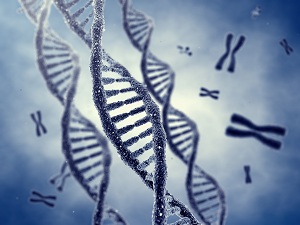
One of the possible applications of Crispr is linked to genetic hereditary diseases. The researchers hope to be able to use it to correct genetic defects in the embryo, avoiding that the diseases occur. However, it is still early for practice, as it still has obscure and unknown points. Weill Cornell Medical researchers in New York proposed an alternative: change sperm DNA.

Manipulating the sperm DNA is very difficult: in spite of the very hard membrane, they are delicate cells. Researchers used a new approach to making changes without destroying sperm. They subjected the cells to an electrical impulse, thus penetrating the Crispr system. The spermatozoa left the treatment a little slowed down, but still able to fertilize and usable in in vitro fertilization.

The work was presented at the Congress of the European Society of Human Reproduction and Embryology. According to the New Scientist magazine, arriving at this conclusion was a real challenge. The researchers needed many attempts to find the ideal impulse: 1,100 volts for 20 milliseconds.

The discovery would allow to treat genetic diseases at the source, at least in the case of those transmitted by the father. It is estimated that the genetic diseases caused by a single mutated gene are more than 10,000. The discovery could therefore avoid the transmission of diseases such as sickle cell anemia, cystic fibrosis and some forms of muscular dystrophy. However, it will still take some time to conduct further studies and analyze any negative effects.

Source: focus.it

Add a comment

New research project against non-Hodgkin's lymphoma

Antonio Candidi was a boy from Lariano, who died in 2017 due to non-Hodgkin's lymphoma. Antonio's family and friends decided to celebrate the memory in the best way: helping to save other lives. They have in fact activated a sports tournament with a fundraiser, for the Italian Lymphoma Foundation (FIL). Thanks to their generosity and that of the participants, FIL will launch a new research project on the disease.

The project of the Italian Lymphoma Foundation will have the title "Comparison between Immunohistochemical and Gene expression of the metabolic pathways of BCL-2, CD38, PD1 and PD1-L through the NanoString platform in patients with Nodal Peripheral T-lymphoma". What is the goal behind such a long title?

Researchers will compare two techniques used to analyze genetic markers. They will focus in particular on mRNA molecules, responsible for encoding information during DNA transcription. Molecules carry information to sites where protein synthesis takes place. Their level of expression could therefore influence the response to drug therapies.

Understanding the link between mRNA expression levels and treatment efficacy is essential. It would allow to identify immediately the most effective drugs for a given patient. In this way it would be easier to maximize the effectiveness of the therapies thanks to customized solutions.

The researchers presented the project to the Lymphoma T Scientific Commission of the Italian Lymphoma Foundation, which has already approved it. Head of the study will be Professor Francesco Zaja, Head of the Hematology of the Integrated Healthcare University of Trieste (ASUITS), and Professor Stefano Pileri, Professor of Pathological Anatomy at the Alma Mater Studiorum and Director of the Unit of Diagnosis Emolinfopathology at the European Institute of Oncology in Milan.

Source: osservatoriomalattierare.it

Add a comment

IVF has minimal impact on the risk of cancer

Women who turn to in vitro fertilization are no longer at risk of uterine cancer. The impact on breast cancer risk is also zero. This is stated in a study based on the analysis of over 250,000 British women, led by Dr. Carrie L. Williams. According to the findings, IVF has an effective impact only on women with other risk factors.

In vitro fertilization involves repeated exposure to high levels of hormones. Over the years, doctors have wondered if this does not increase the risk of cancer. Past studies had already confirmed that the impact is inconsistent, but they were all very small. For this reason, Dr. Williams wanted to assess the risk on a larger population.

The research team studied data from over 255,768 in vitro fertilization women between 1991 and 2010. The average age of the first treatment was 34.5 years for 1.8 cycles per person. Only 20% of the participants resorted to more than 2 stimulation cycles. Scientists compared the rate of tumors within the group with the average one. They did not find any significant difference.

The average follow-up was 8.8 years and the maximum of 19 years. In this time frame, there were 164 cases of cancer against 146.9 of the general population. There was a minimal increase in breast cancer cases (191 vs. average 253.5), but it occurred mainly among those who had undergone 5 or more IVF cycles. A very rare case, therefore.

The study appears to exclude a significant correlation between tumor and IVF. Nevertheless, researchers do not rule out any negative consequences later in the years. Furthermore, it is possible that the causes of infertility are somehow linked to an increased risk of cancer.

Source: medscape.com

Add a comment